
International Evidence
About LEARN
Although Europe is one of the world’s most highly educated regions, deep educational inequalities persist within and between countries.
The EU Horizon project LEARN (Longitudinal Educational Achievements: Reducing iNequalities) addresses this by consolidating existing evidence and generating new knowledge from high-quality longitudinal data, translating the findings into practical, evidence-based guidance for policymakers across Europe. Using an educational transition perspective that can be applied across different national education systems, LEARN traces how inequalities emerge and develop over the course of educational careers in nine case-study countries reflecting Europe's diverse welfare and education systems: Estonia, Finland, Germany, Ireland, Italy, the Netherlands, Romania, Switzerland and the United Kingdom.
LEARN has three overarching objectives:
- Mapping and collecting existing longitudinal educational data across Europe
- Developing tools that support policymakers in using this evidence
- Identifying interventions that help reduce inequality
LEARN Brief: Reviewing the Evidence on the SES Gradient in Tracking Decisions
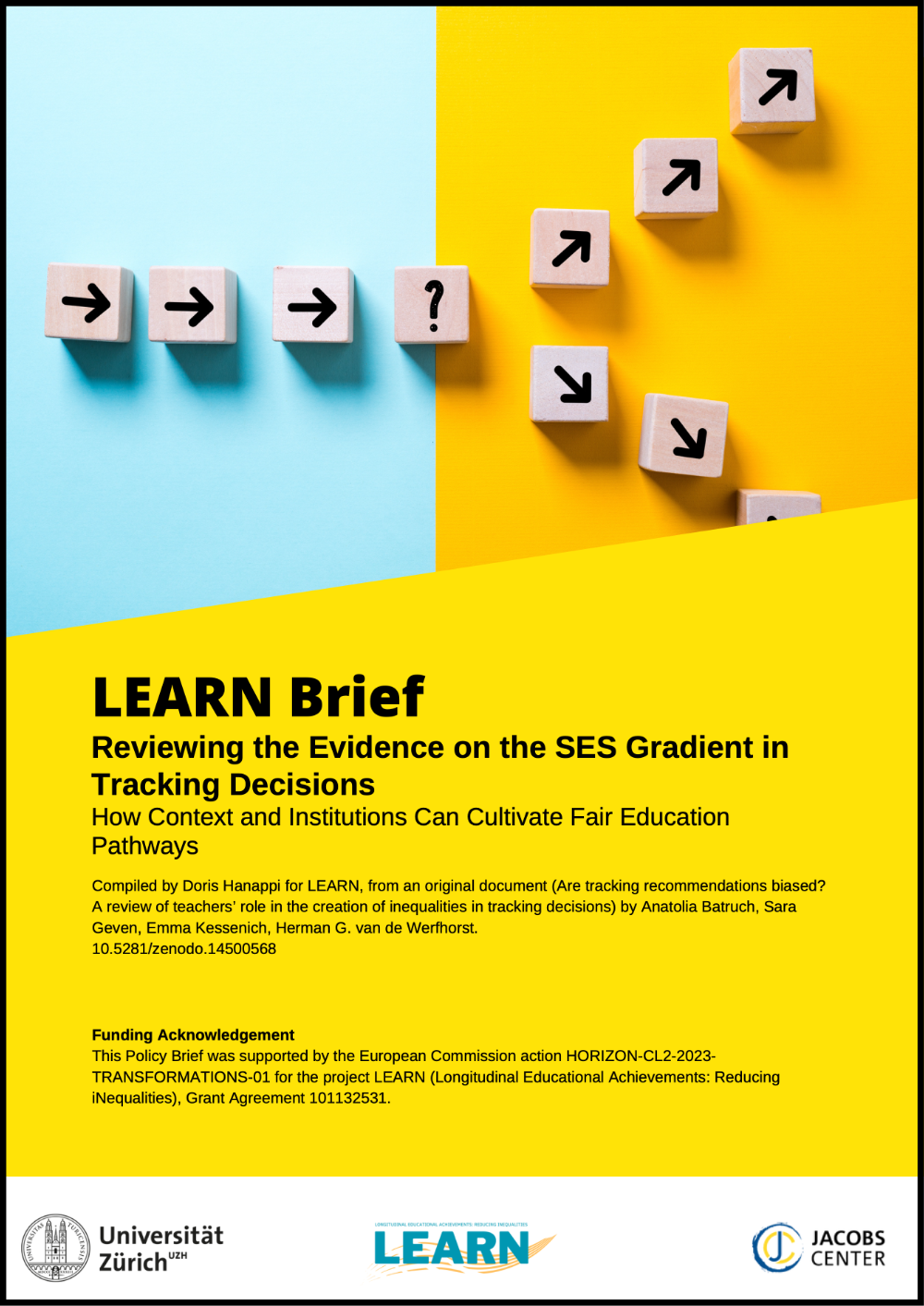
Your social background should not determine your future - but for too many students, it still does.
Studies show that students from lower socio-economic backgrounds receive lower track recommendations from teachers, even when their academic performance is equal to their wealthier peers. Bias - sometimes unconscious - perpetuates educational inequalities, limiting life chances before a child even reaches adulthood.
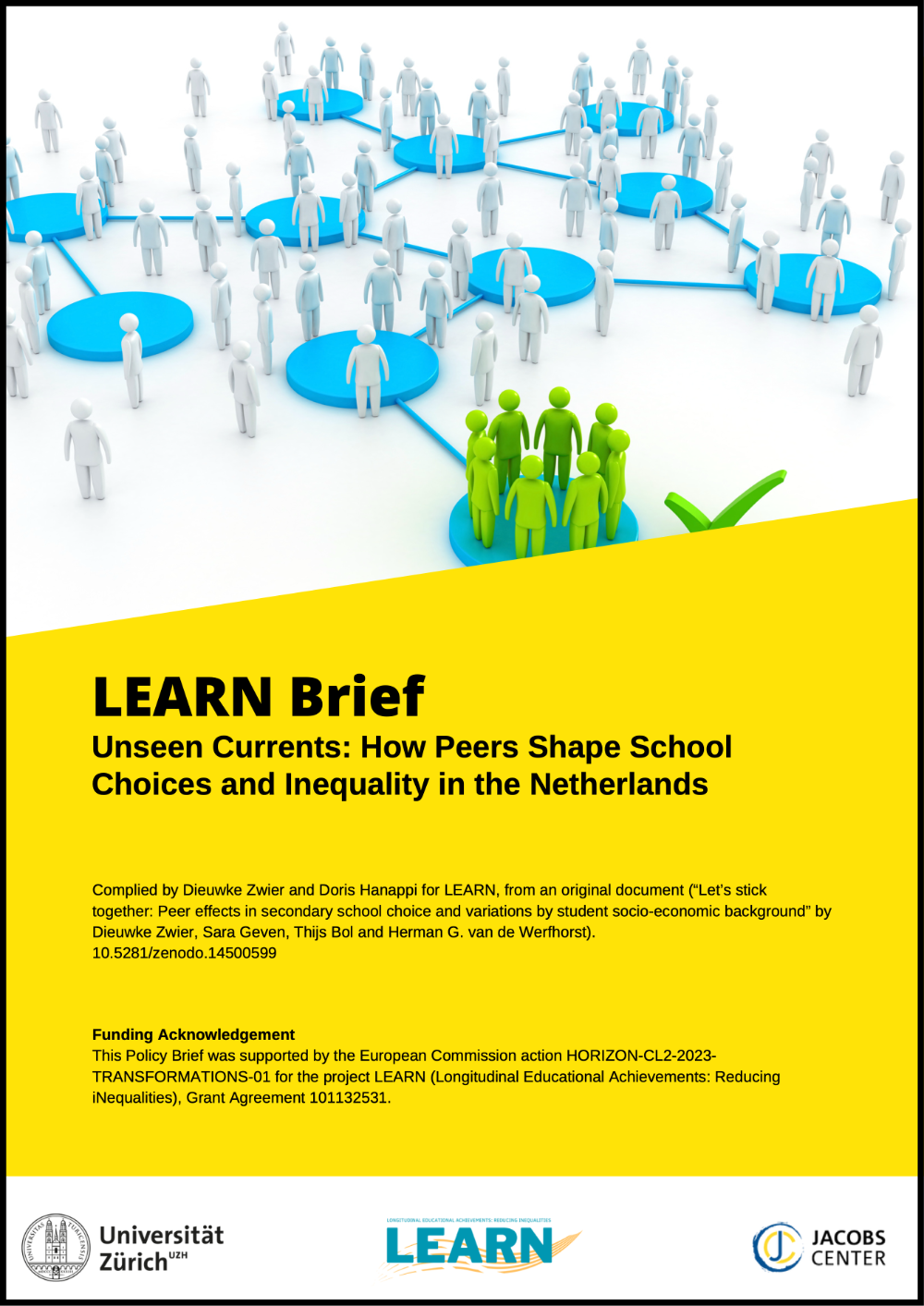
LEARN Brief: Unseen Currents:
How Peers Shape School Choices and Inequality in the Netherlands
How do children really choose their secondary school?
A growing body of evidence suggests that it's also about their peers in primary school.
In this LEARN Policy Brief, we zoom in on the Netherlands - where school choice is relatively free and geographical restrictions are minimal - to explore how peer dynamics shape educational pathways.
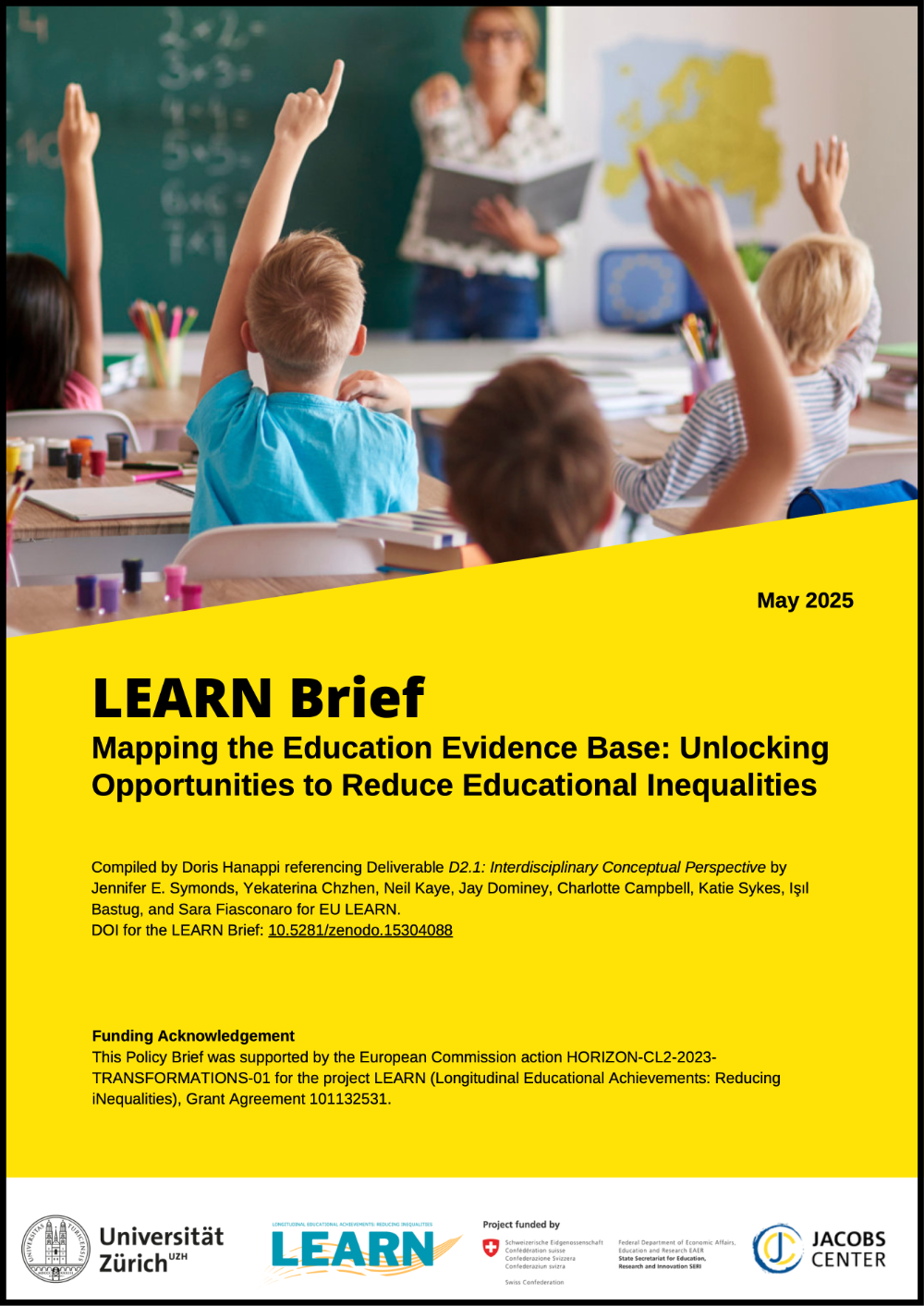
LEARN Brief: Mapping the Education Evidence Base:
Unlocking Opportunities to Reduce Educational Inequalities
Primary and non-university tertiary education are underrepresented in reviews. Research emphasizes academic outcomes, overlooking cognitive, socioemotional, and mobility factors. Focus remains on family-level influences, neglecting broader contexts. Though strong theories guide studies, empirical measures are narrow. Educational inequality evolves across life stages, from early childhood to adulthood.
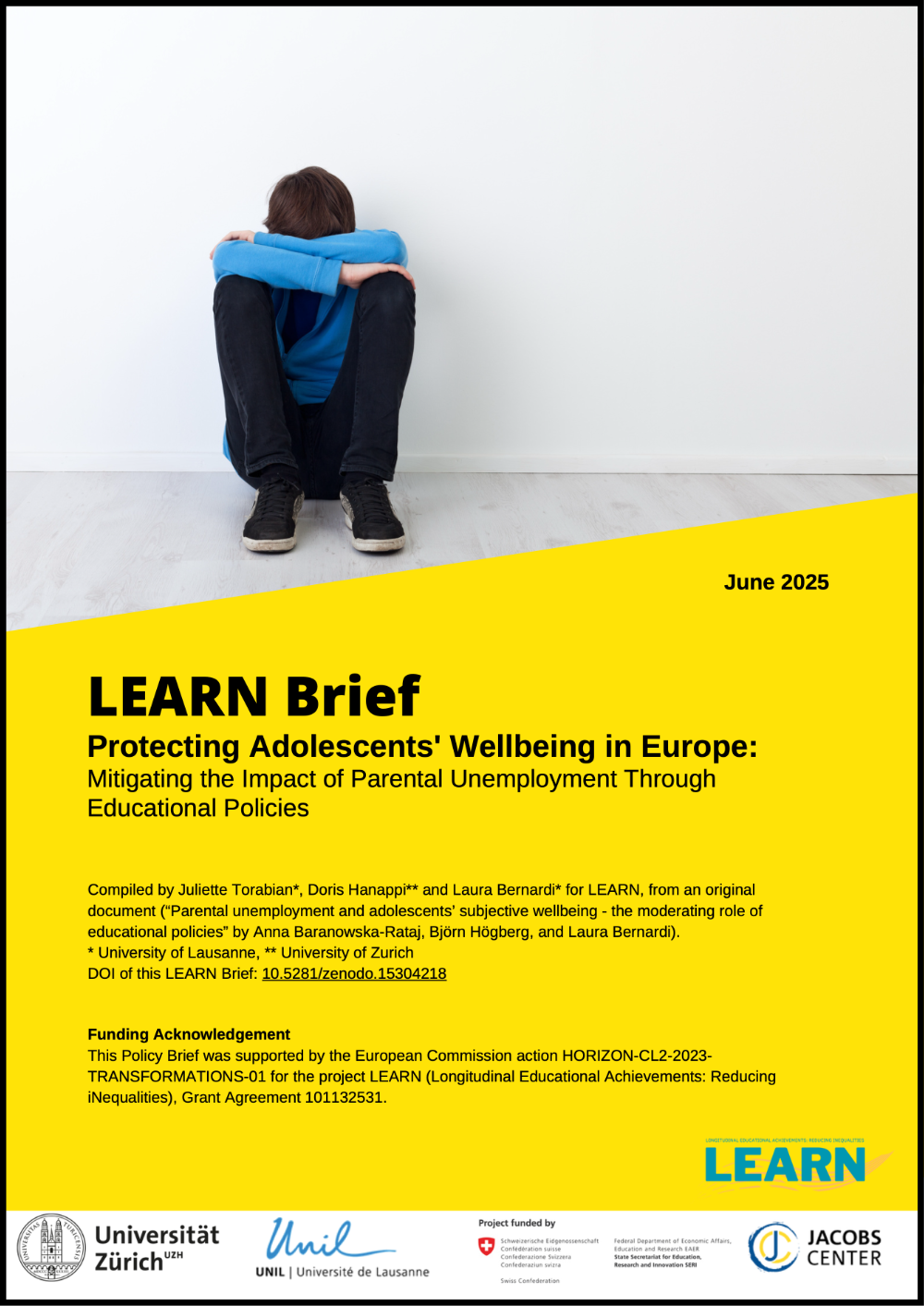
LEARN Brief: Protecting Adolescents' Wellbeing in Europe
Adolescence is a critical window in shaping lifelong wellbeing - and when families face economic insecurity, the effects can ripple far into the future. This cross-national study explores how parental unemployment is associated with adolescents’ subjective wellbeing across Europe. Most importantly, it uncovers whether and how national education policies can buffer youth from the stress of financial hardship. The findings offer timely insights for policymakers seeking to build resilience in the next generation.
LEARN Brief: Closing the Attainment Gap
A student's background is a powerful predictor of their educational success reinforcing social inequalities. Even though this issue has long been known and has been the target of extensive study and intervention, it persists. This policy brief highlights the differences between European countries in how they try to address this problem. It further outlines how knowledge broker institutions can play a substantial role in bridging the research-to-practice gap.
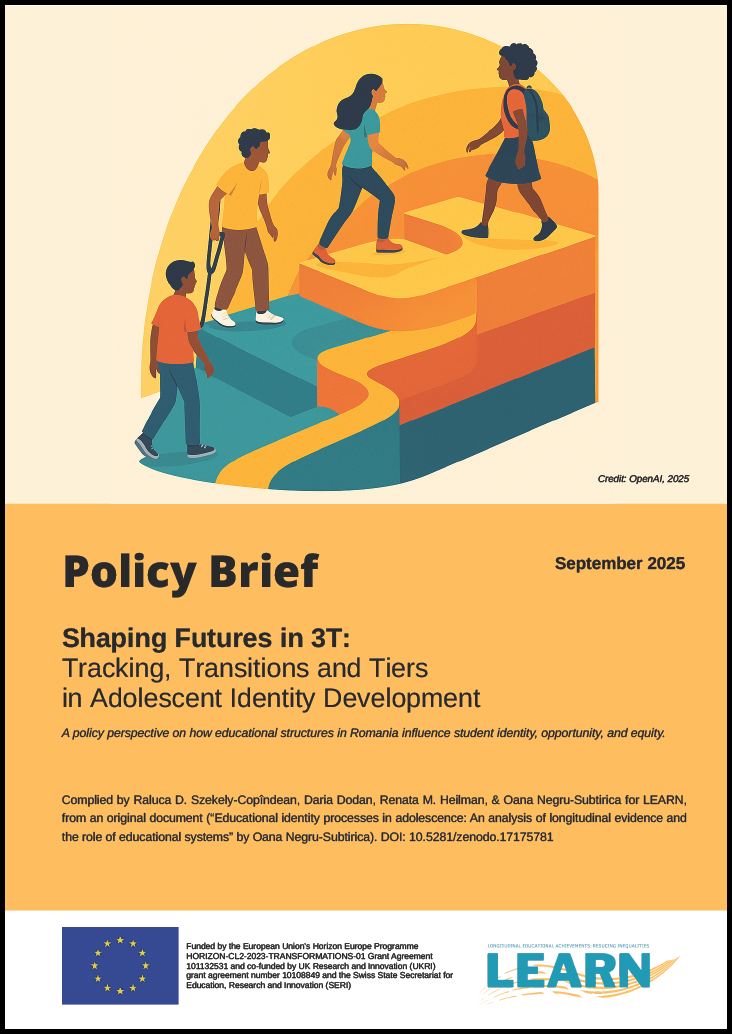
LEARN Brief: Adolescent Identity Development
What do you want to be when you grow up? Children are faced with many challenges when developing their educational identities. This policy brief outlines how school factors, such as early or late tracking, and the flexibility of educational paths shape children's educational identity development.