Beyond a simple marker of stress: New paper on hair cortisol and cortisone
Led by Dr. Clarissa Janousch, a new z-proso study analyzed hair samples from over 1,000 young adults to test the link between hair cortisol and psychosocial stress.
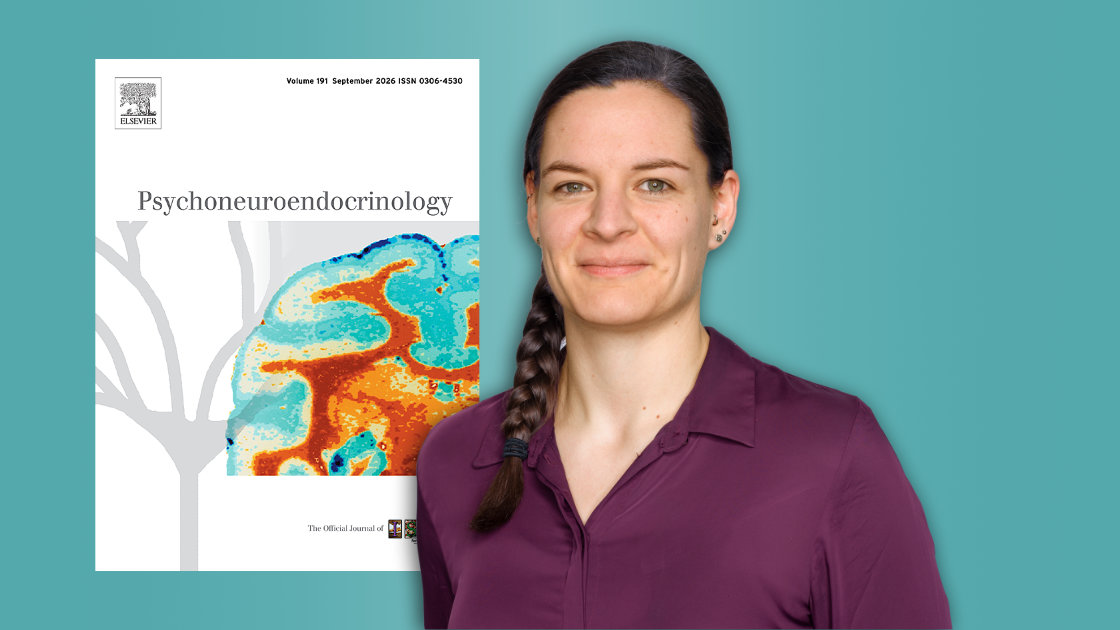
The Risk and Resilience research area (PI: Prof. Lilly Shanahan) of the Jacobs Center, together with the Experimental Pharmacopsychology and Psychological Addiction Research group (PI: Prof. Boris Quednow) and the Center for Forensic Hair Analytics at the Zurich Institute of Forensic Medicine, published a new paper with the z-proso study, led by Dr. Clarissa Janousch. Drawing on hair samples from more than a thousand young adults, the study is among the most comprehensive attempts yet to test how robust the link between hair cortisol and psychosocial stress really is.
The most robust correlates of hair glucocorticoid levels were not psychological ones, but hair characteristics (color, washing, chemical treatment), sampling season, body mass index, hormonal contraception (in women), and drugs measured in hair (cannabis, cocaine, MDMA, paracetamol) along with the hormone testosterone. Psychosocial factors did emerge, but more variably: perceived stress, anxiety and depression symptoms, social exclusion, and sports activity tracked more with cortisol, while media use, aggression, and coping tracked more with cortisone.
The patterns also shifted by sex and age. At 20, more associations emerged in young men, often around substance use and family environment; by 24, young women showed the broader set of links, especially with psychosocial stressors, mental-health symptoms, sleep, and physical activity. The authors caution that hair cortisol and cortisone should not be treated as straightforward stand-ins for felt stress, but as complex markers shaped by methodological, biological, behavioral, and environmental factors.
Publication: Janousch, C., Eggenberger, L., Johnson-Ferguson, L., et al. Beyond a simple marker of stress: A multiverse analysis of biopsychosocial associations with hair cortisol and cortisone. Psychoneuroendocrinology, 3 July 2026 (open access). DOI: 10.1016/j.psyneuen.2026.107953